A Trū-Zero World for Clean Hydrogen
An energy model that needs a new machine, more resilient supplies or improved technology — and hasn't yet embraced it, is already paying a steep price in its absence. As it stands today, renewable technologies are not operating on a level playing field and there is more than enough misinformation in the marketplace to distort perceptions about hydrogen production.
As investors, governments and industry plan to achieve a decarbonised future, they are deploying technologies such as Carbon Capture and Storage (CCUS), to sequester the carbon produced from fossil fuels, or Proton Exchange Membrane (PEM) and Alkaline Electrolysis, which tend to rely on commercial grid electricity to produce hydrogen from water. Neither of these options are cheap, but the real prize is a material slice of cleaner fuel in abundance, as well as adoption in the chemical and industrial feedstock markets. While it is still early days for most markets, hydrogen capture must shift from its linear production course to a dimensional solution that accounts for operational deficiencies which are greatly reflected in its cost structure.
Hydrogen use alone doesn't release harmful greenhouse gas (GHG) emissions, but often its production source does. That's about to change.
According to recent pricing data collected by S&P Global for hydrogen projects being developed in California, at-gate pricing has remained in the USD$6-12/kg range after including the environmental attributes that help it meet the 33% renewable content rules and excluding the costs associated with transportation and Inflation Reduction Act (IRA) subsidies. Additional public funding and hydrogen refueling infrastructure grants require a minimum of 40% renewable implementation, and yet the California model is just a single snapshot that serves as an indicator of where the industry is heading. It also demonstrates why a cleaner and cheaper trū-zero solution is required as grants and incentives are not sustainable over time.
An Energy System in Transition
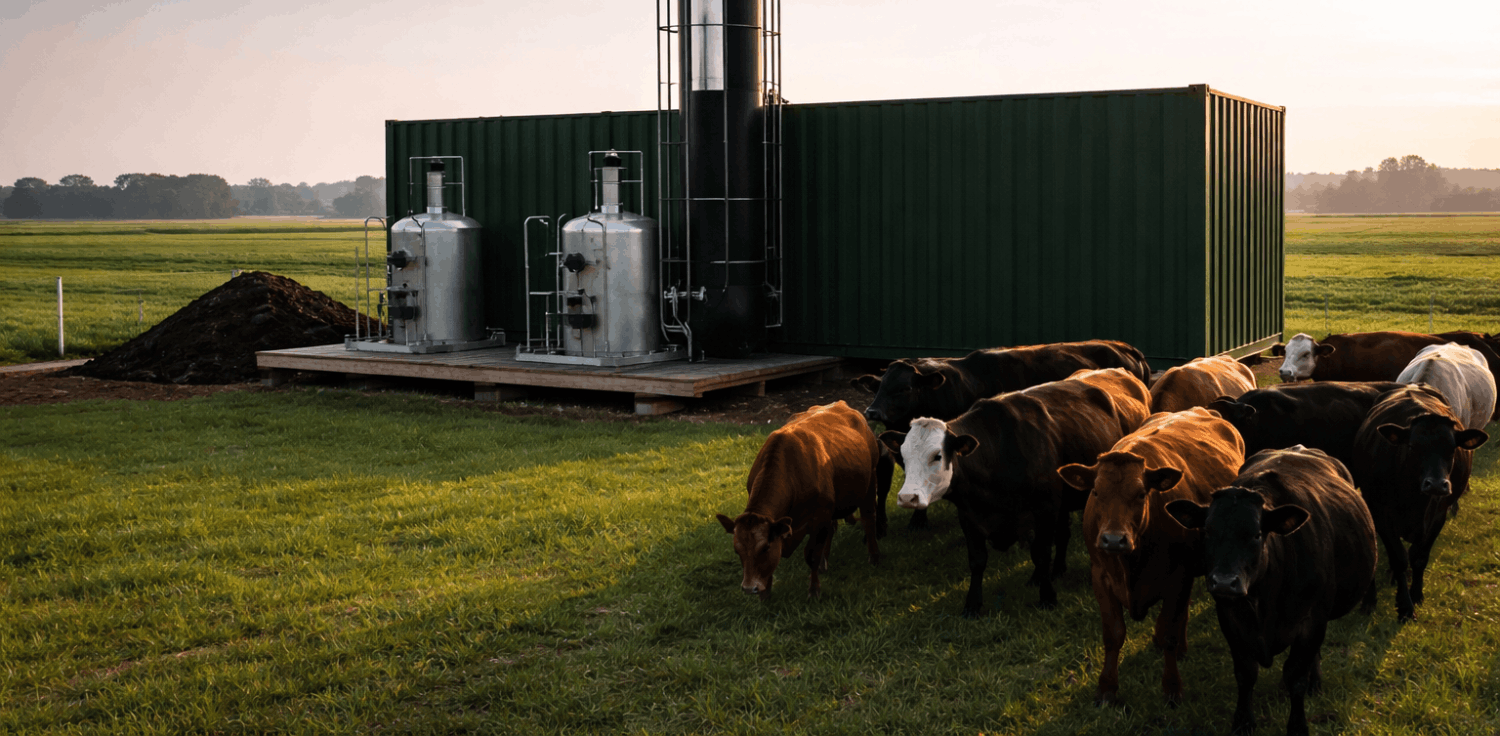
The hydrogen market is often viewed as opaque, but one thing is certain: the cost of hydrogen production must decrease in order to more accurately evaluate it as an alternative fuel. That part was always going to happen, but with NexusInnovest investors and energy innovators no longer have to wait. Renewable Thermolytic Hydrogen (RTH) was first tested more than a decade ago, first as a way to supplement existing industrial producers and, today, as an accepted capture process built on a recognised patent that is known to separate hydrogen from synthetic gas without costly storage or purification steps.
For a global energy market already in transition, decentralised hydrogen capture seals the viability of environmentally-friendly power generation. More importantly, for investors and stakeholders, RTH represents the cheapest and cleanest classification of hydrogen in the market today. That sets a new standard for the industry both in terms of performance and acceptance, touching each of these crucial factors:
A Stable Cost Structure
Unclear or volatile pricing negatively impacts margins and wider adoption in emerging markets
Regulatory Compliance
Lack of transparency into sourcing and GHG emissions exposes operators to fines or shutdowns
Informed Negotiation
Uncertainty about the value of carbon-negative energy undermines its trū-zero market value
Spot Pricing Benchmarks
Term contracts, HPAs and futures settlements depend on actionable data for transactions
KPI Transparency
Data without context distorts actionable intelligence for stakeholders and operators
Subsidy Resilience
Energy systems dependent on subsidies to meet targets are prone to disruption over time
Because hydrogen stores more energy per unit of weight than most sources of energy, and can be produced from lower-carbon sources or seawater, it's the most readily-accessible type of fuel on the planet. Even regions with renewable resources but densely populated areas will import hydrogen, as land constraints tend to limit the production of green electricity for direct use and conversion to hydrogen. Therefore, the modular approach to renewable hydrogen should remain as the lowest-risk alternative to the multi-billion trends of production and delivery through 2030, featuring shorter ROI expectations and cheaper operating costs for early adopters.
At NexusInnovest, our vision was not just to build energy platforms, but to reimagine a trū-zero framework for hydrogen capture and further adoption. While every form of renewble energy has a different set of costs associated with its production, our objective was not to compete with these other methods, but to redefine what was possible in terms of cost per unit (by either kilogram or kilowatt), the entire carbon footprint including sourcing and emissions and its reliability to the pump for consumers. In the end, our platforms were degined to look past all of the familiar operational dependencies so that equipment buyers and partners could arrive at a fair contract price for distribution and an assurance of material quality.
While the adoption of renewable hydrogen is still at an early stage, coherence in the marketplace is soldifying. This independent, autonomous approach ensures that we reach the pump faster, cleaner and cheaper than any other form of hydrogen production in use today — giving your team the confidence to execute energy transactions that are stable and sustainable.