Cheaper, Cleaner and Closer to the Consumer
Today's energy, water and waste management facilities cannot keep up with the constant fluctuations in municipal funding, policy reforms, escalating costs and residential encroachment on municipal facilities. These considerations are being amplified by ageing infrastructure and rising regulatory pressures to improve performance. Taxpayers and ratepayers are now facing the dual threat of paying these costs as well as bearing the brunt of an environmental divide, and yet they fully expect facility operators to deliver more with fewer resources.
If the energy transition can make broad inroads to a sustainable future for everyone, modular technologies which adapt to weather conditions, construction types and "green building" regulations for carbon-neutrality must challenge existing models for innovation and investment. Now factor in the geophysical constraints, the reliability of solar, hydro and wind power worldwide and the impact of the green energy transition on residential expansion and an investment tax on business upgrades — most net-zero commitments are set to cause real disruption that could take years - if not, decades - to resolve. This is precisely why decentralised energy facilities represent a more common-sense approach to the clean energy transition.
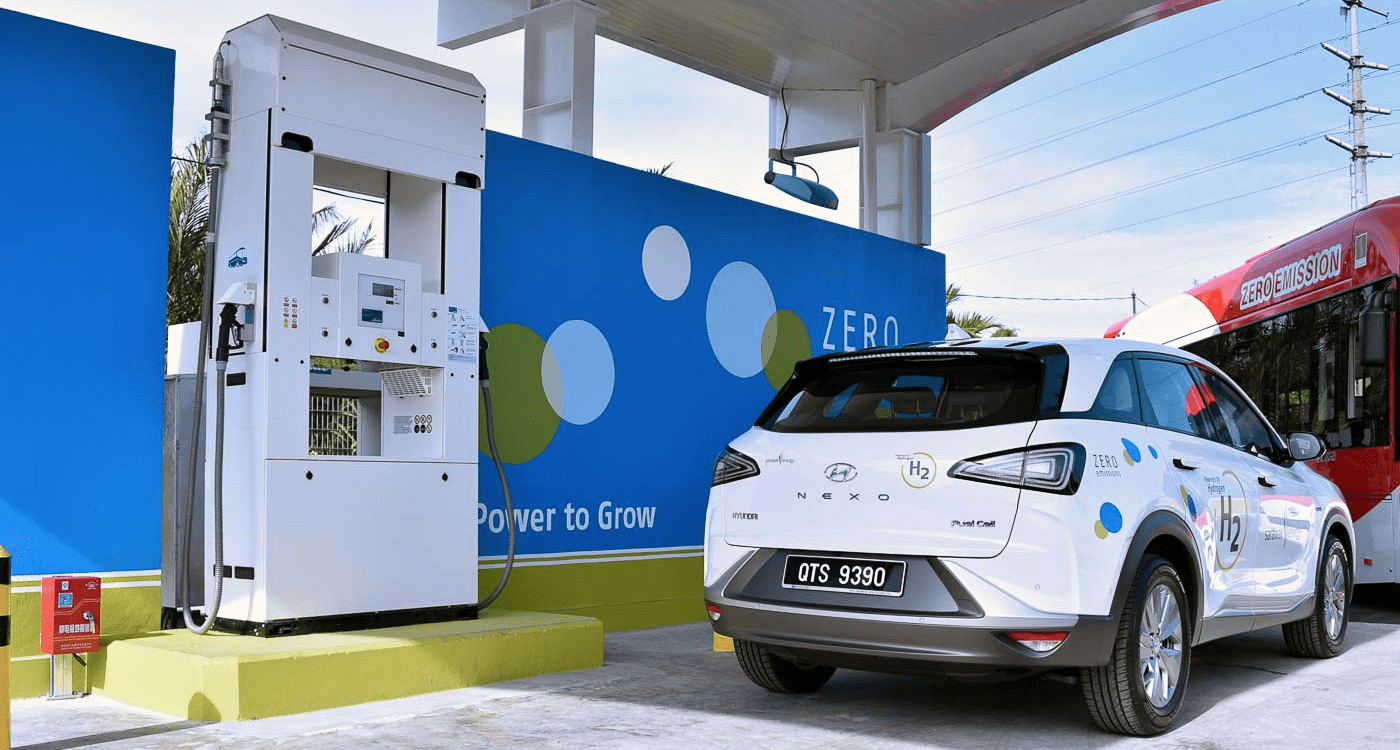
Hydrogen-powered vehicles travel longer distances using less energy. A kilogram of hydrogen contains about the same energy as a gallon of gasoline. Today, a fuel-cell electric vehicle (FCEV) with 1 kilogram of hydrogen can travel approximately 60 miles, compared with conventional vehicles, which get about 25 miles on a gallon of gasoline.
According to the IEA, only 25% of the formally-announced manufacturing projects for solar power are under construction or beginning construction imminently. Today, the global implementation rate is just 35% for EV batteries and less than 10% for electrolysers — and they share numerous delays based on these critical barriers and impacts.


Strengthening the Case
Given the long lead times involved for centralised hydrogen production facilities, especially when developing infrastructure in dense or landlocked urban zones, early planning is not only needed, but also expect long-term certification and approvals for construction of civil works from the outset. Furthermore, delivery of the critical and bulk materials is energy- and carbon-intensive. Disrupted supply chains should also be considered because compatibility with global net-zero trajectories are rapidly emerging as well.
Every thermolytic capture system sets a new threshold for the competitiveness of clean hydrogen fuel, simply because it's a byproduct of one or more carbon-negative offtakes or outcomes. This creates a value proposition that is not just dimensional; it's unique in terms of cost parity with every other form of hydrogen production.
As the marketplace is currently aligned, there is a general agreement that future energy systems and hydrogen production pathways should be assessed on overall cost as well as environmental life cycle assessments (LCAs), to identify the many social, economic and environmental trade-offs. Steam methane reforming (SMR) with carbon capture and storage (CCUS) — known as blue hydrogen in the energy industry — has been an important low-carbon production complement to green hydrogen, although recent LCAs show a rather wide range of climate change impacts. Some of this is due to large variability in methane emissions from natural gas supply chains and available feedstocks and filters for electrolysis systems at scale.
Hydrogen production via thermolytic reaction, on the other hand, faces none of these challenges as electricity is exchanged with heat and the ignition procedures can be powered by a higher performance solar PV panel. In that sense, Renewable Thermolytic Hydrogen (RTH) is the only trū-zero, carbon-neutral system that is not just economically viable, but also cost competitive with other capture methods such as natural gas reforming or electrolysis in larger plants.